 1911
Kathiawar, Bombay and South Africa
A necklace at the farewell
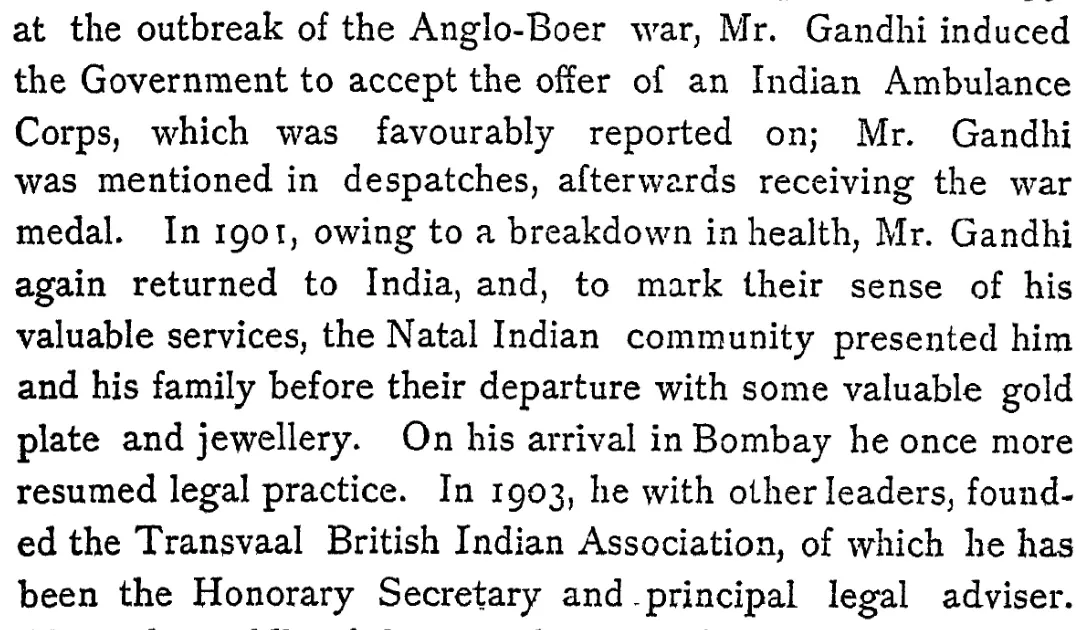
Helped organise an Indian ambulance corps and used Indian Opinion to give Indians in South Africa a public voice.
The directory collection / Further discoveries
A father recognises his missing son’s writing in a newspaper. A prison official keeps quiet about six rescues. A treasury clerk folds a sheet of paper and makes geometry visible.
Sixteen lives from Who’s Who in India, published in Lucknow between 1911 and 1914. Follow the detail that outlasted the title.
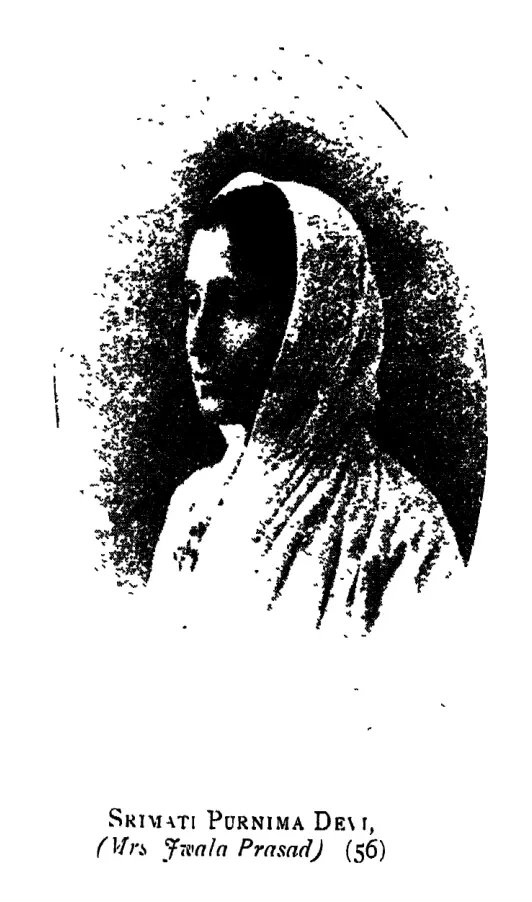
From left, Dadabhai Naoroji, Purnima Devi and Jogendra Chandra Ghose. Open a portrait to read the life behind it.
Start with what catches your eye. The year on each card is the edition in which the Press recorded the story.
1911Helped organise an Indian ambulance corps and used Indian Opinion to give Indians in South Africa a public voice.
 1914
Founded a girls’ school in Shahjehanpur in 1911, organised clubs for women observing purdah and wrote a Hindi primer approved for schools.
 1912
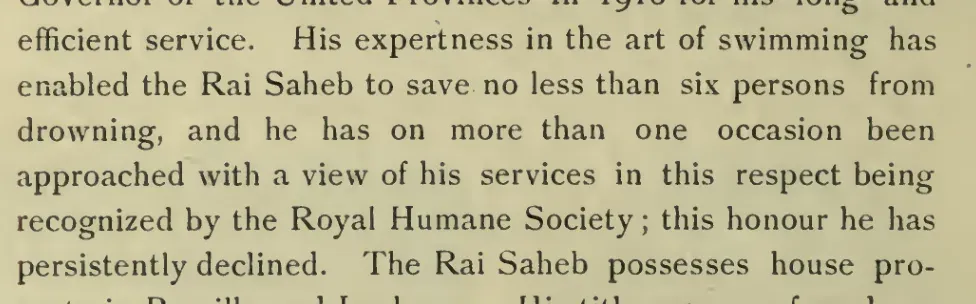
Saved at least six people from drowning, according to the 1912 directory. His public-service title recognised his prison work.
 1914
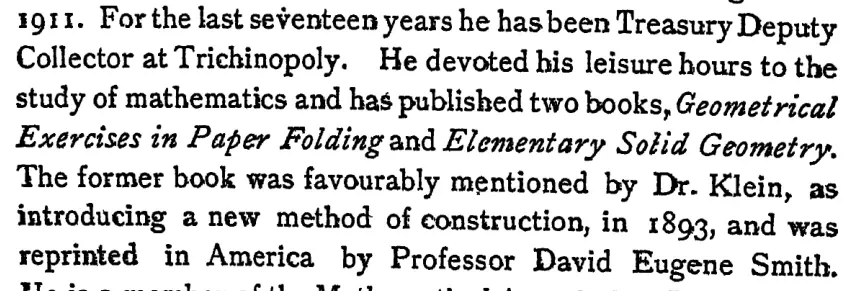
Taught geometric construction through paper folding in a book first published in Madras in 1893.
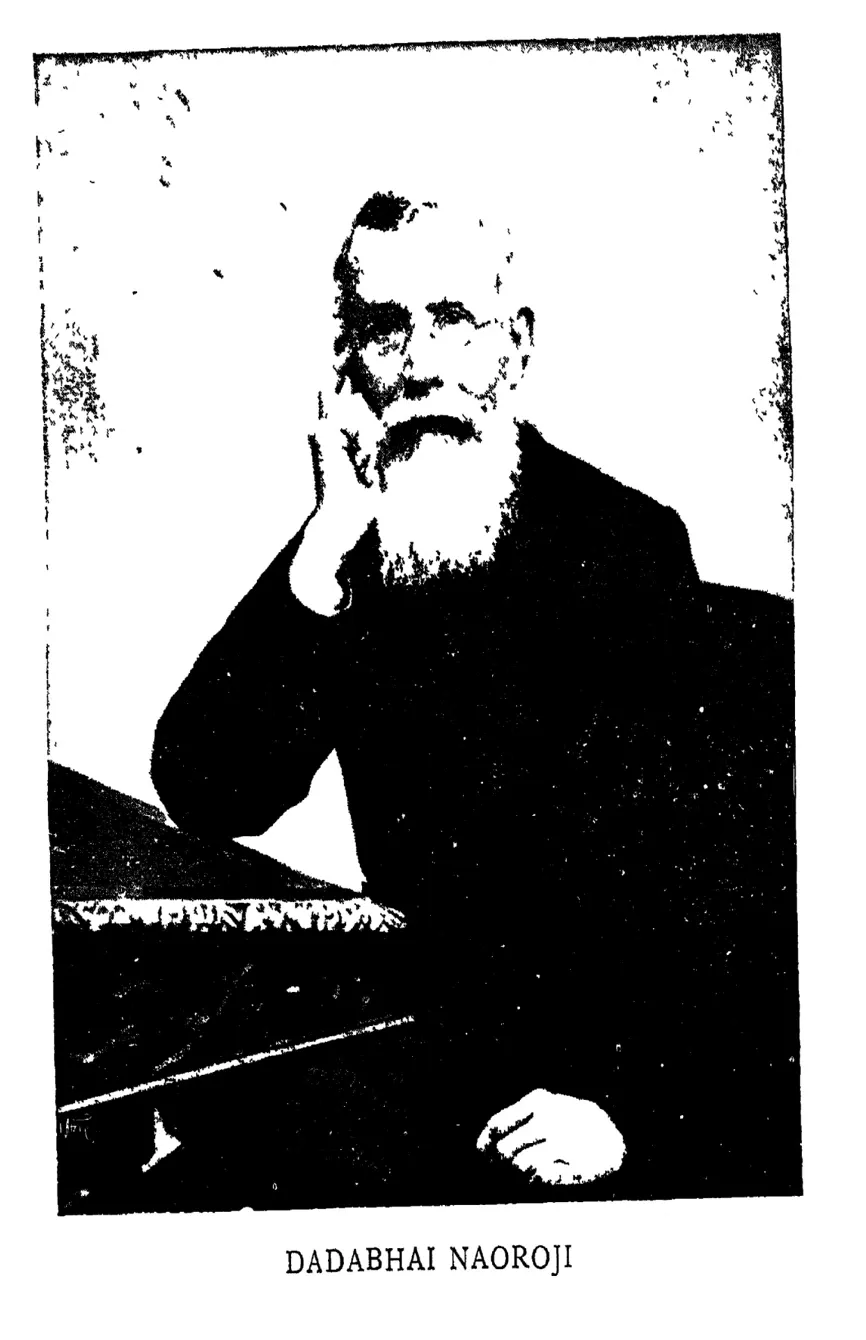 1911
Brought Indian public expenditure before British parliamentary audiences and helped organise an Indian Parliamentary Committee.
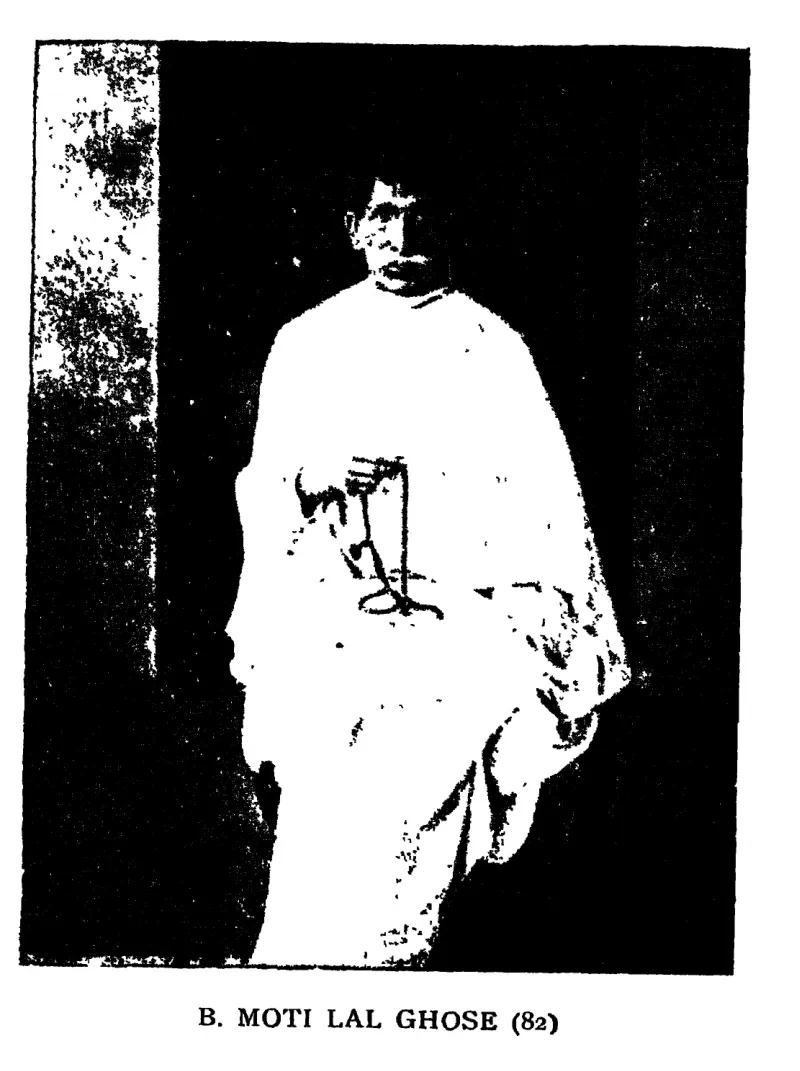 1914
Helped take Amrita Bazar Patrika into English during the press restrictions of 1878 and pressed Bengal’s government on rural water supplies.
 1912
Designed automatic floodgates installed at Khadakvasla in 1903 to increase water storage while protecting the dam.
 1914
Founded Vanita Vishram with Bajigauri Munshi, using their savings to establish a place of support and education for women.
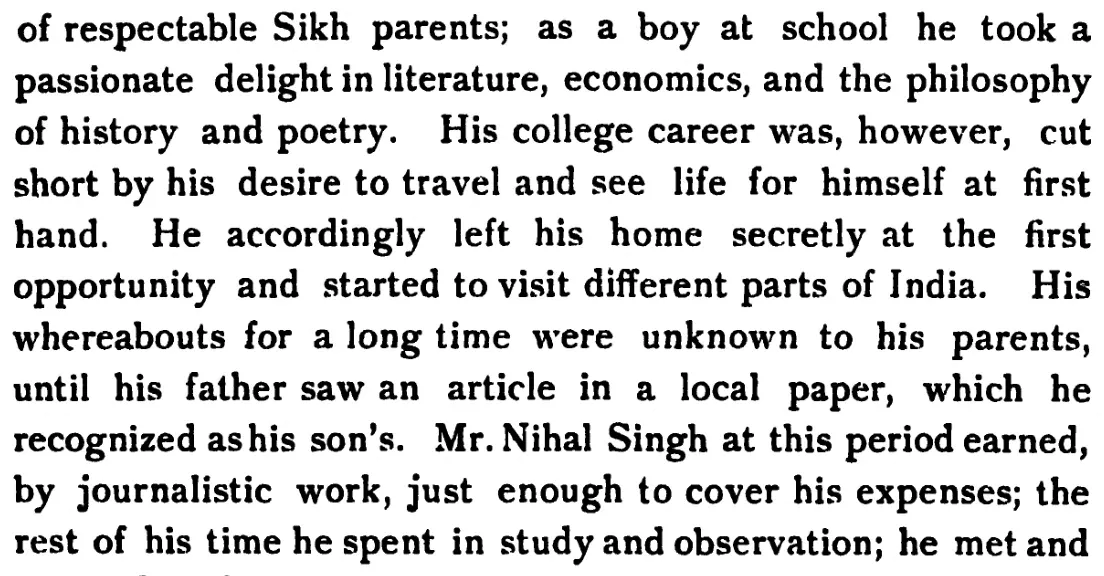 1911
Brought the position of Indian immigrants in Canada before audiences through public meetings, newspaper articles and magazine writing.
 1912
Helped establish a science degree, organised overseas technical training and founded night schools for working students.
 1914
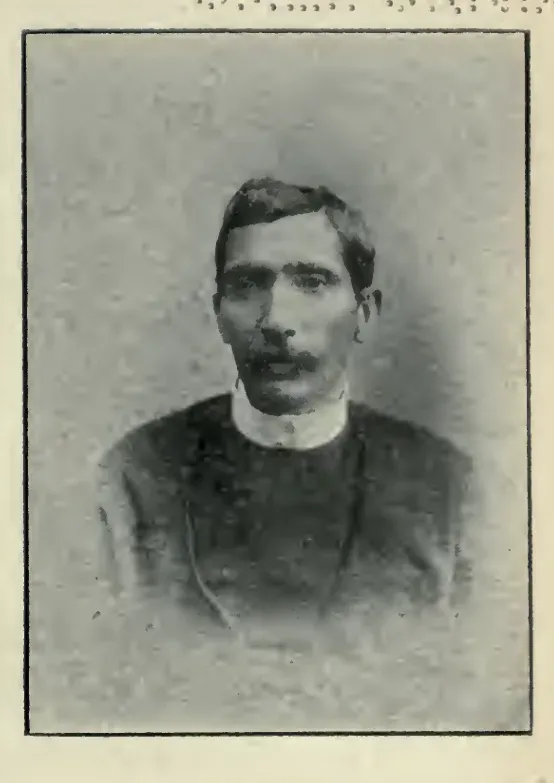
Designed ambulances used in connection with the St. John Ambulance Association in India and an iron folding cart used by the Jaipur Transport Corps.
 1911
Helped make Bangalore a vaccine-supply centre and petitioned for the Ezhava community’s access to education and public employment.
 1912
Opened a government observatory and later helped establish a charitable dispensary and secure action against kala-azar.
 1914
Directed public accounts in Mysore and investigated gold lost in Bengal’s jewellery workshops for a study included in Prafulla Chandra Ray’s history of chemistry.
 1911
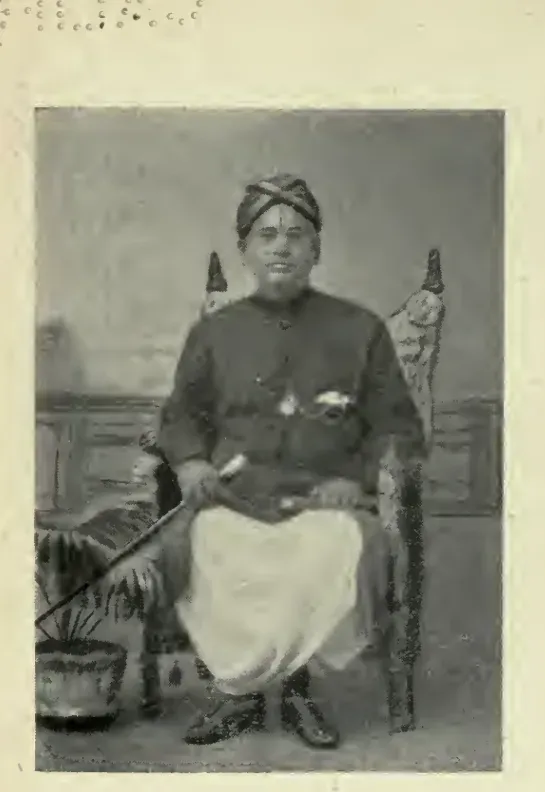
Carried out works for Bombay’s public authorities, built for Gwalior’s Maharaja near Poona and assisted the Bombay plague operations of 1897.
 1912
Helped prepare the English edition of Ananda Ranga Pillai’s Tamil diary and became superintendent of the Madras Record Office.
In his 1893 book, T. Sundara Row made a square of paper into a geometry lesson. Try one of its simplest constructions.
Put two marks on a sheet. Fold the first onto the second and open the paper again. The crease meets the line between the marks at a right angle, exactly halfway along.
Meet the treasury official who taught this way →Choose a pair and see what a similar object or act meant in two very different working lives.
The first two volumes are copies of different 1911 printings. Each folio opens the particular copy and leaf used. Printed page numbers restart between regional parts. Later recollections and institutional histories are identified beside the claim they support.