Faith, carried by the page
Hindu and Islamic texts stood within a multilingual publishing programme that also embraced literature, education and medicine. Printing gave sacred learning and cultural memory a wider circulation across communities.
 NEWAL KISHORE PRESSEST. 1858 · VIRTUAL MUSEUM AT LE PRESS
LUCKNOW, INDIA · A PRINTING LEGACY SINCE 1858
Meet Munshi Newal Kishore. Step inside his world of print. Discover how books carried knowledge across languages, faiths and generations.
Discover all the experiences ↓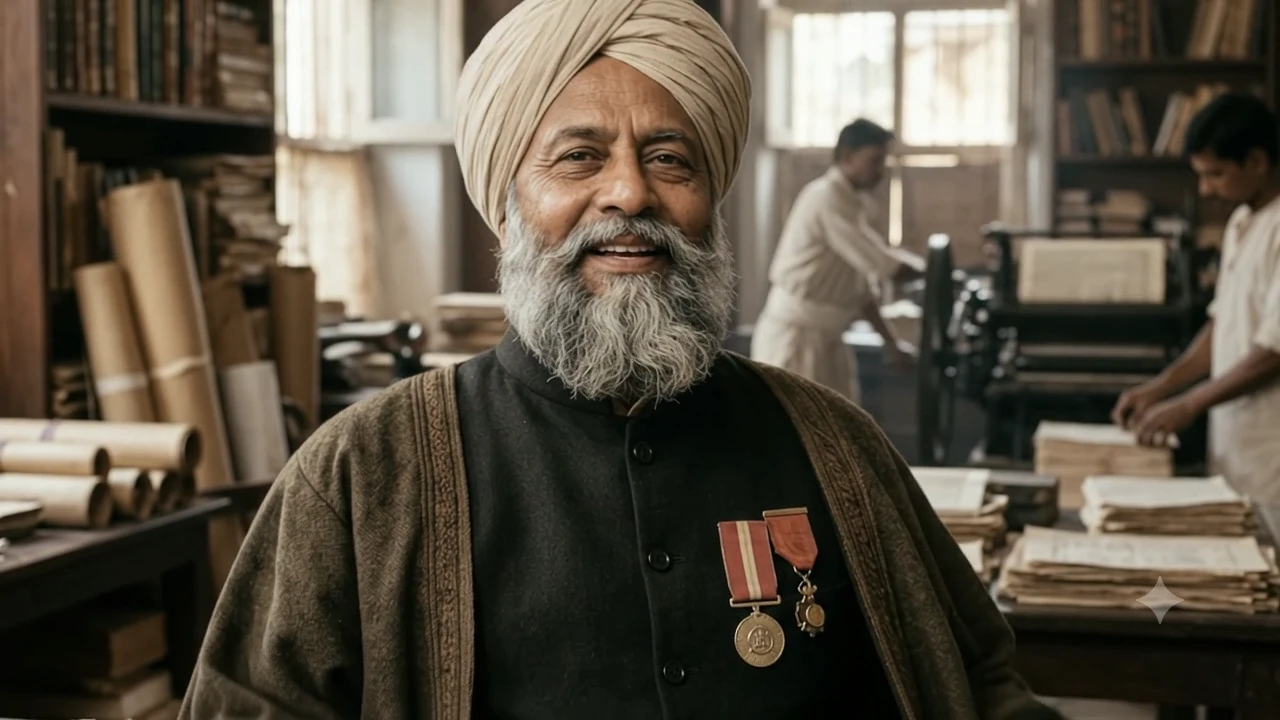 ▶
THE COLLECTION IS YOURS TO EXPLORE
Watch a life unfold. Make a press move.
Choose the way you want to discover.
Dramatised portrayal↗Meet Munshiji. Follow the ideas that became a world of books.
Watch the film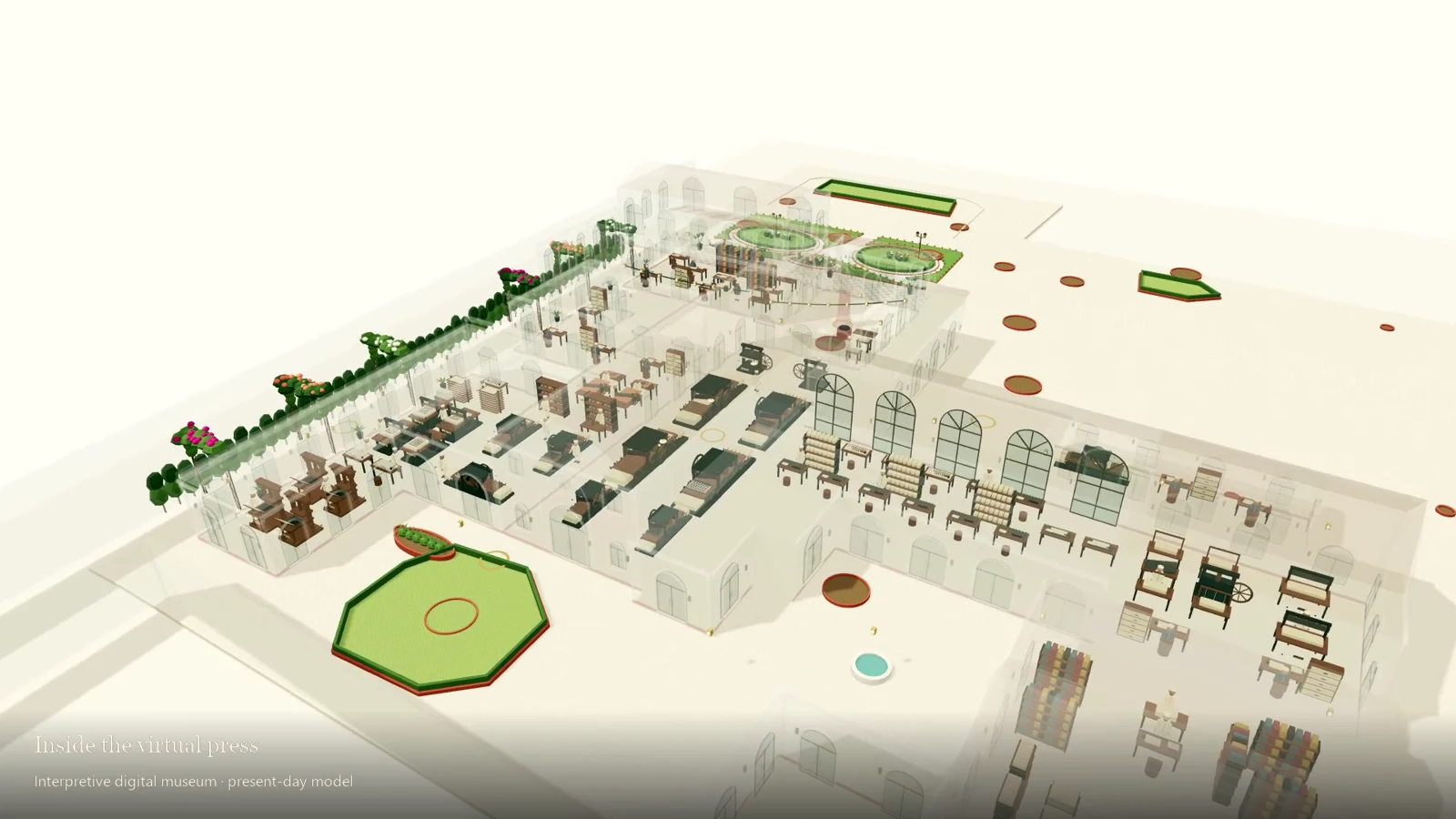 Interpretive digital model↗
Enter 28 departments. Meet the people and follow a page through the campus.
Step inside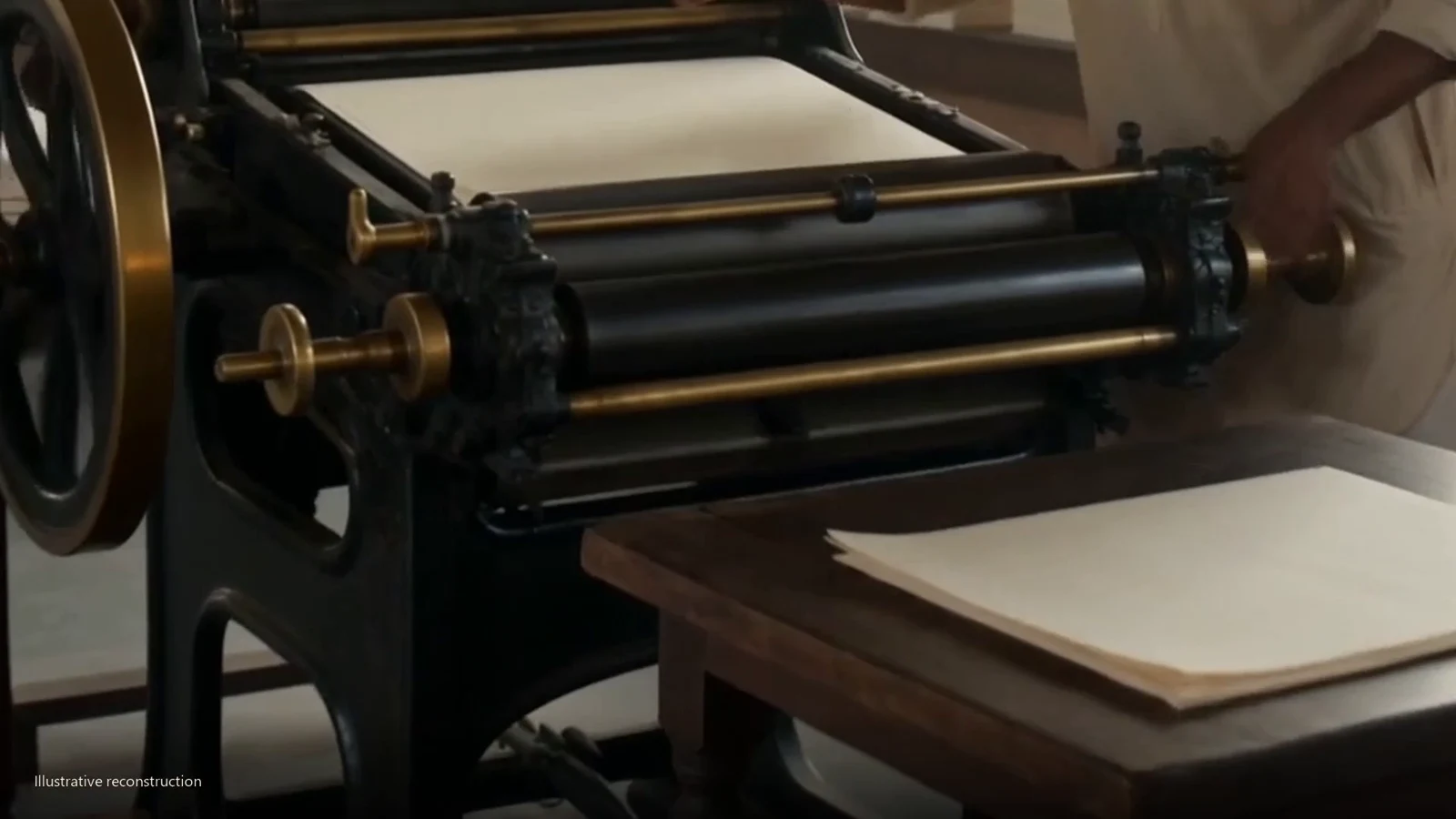 Illustrative reconstruction↗
Rotate, take apart and operate the tools behind the printed word.
Try it yourselfZoom into the calligraphy, ornament and stories of surviving editions.
Discover the story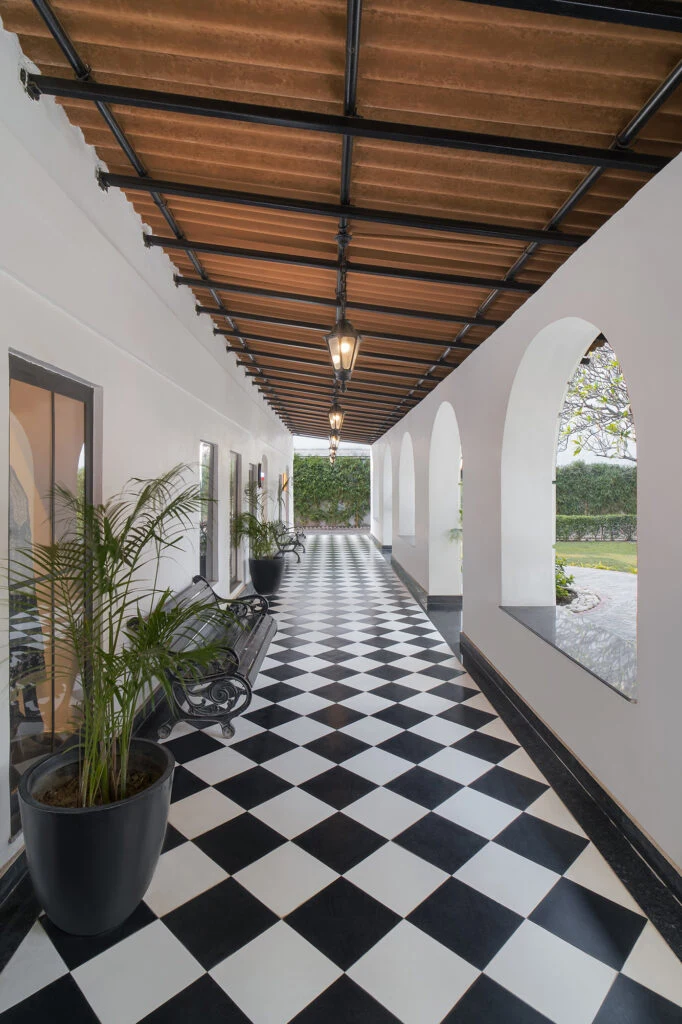 Le Press today↗
Discover six encounters. Place a scene with a supported phone.
Step inside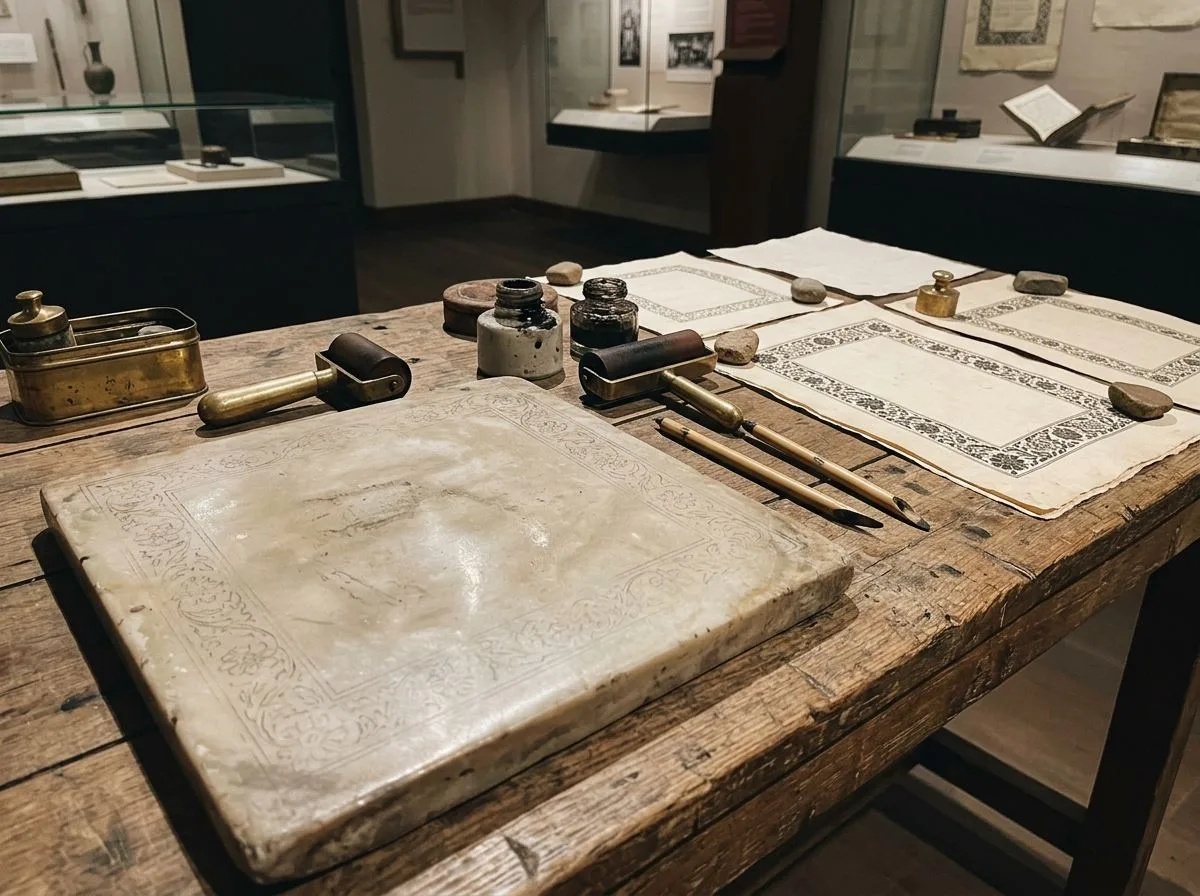 Illustrative reconstruction↗
Work through six stages of lithography and keep your digital proof.
Try it yourself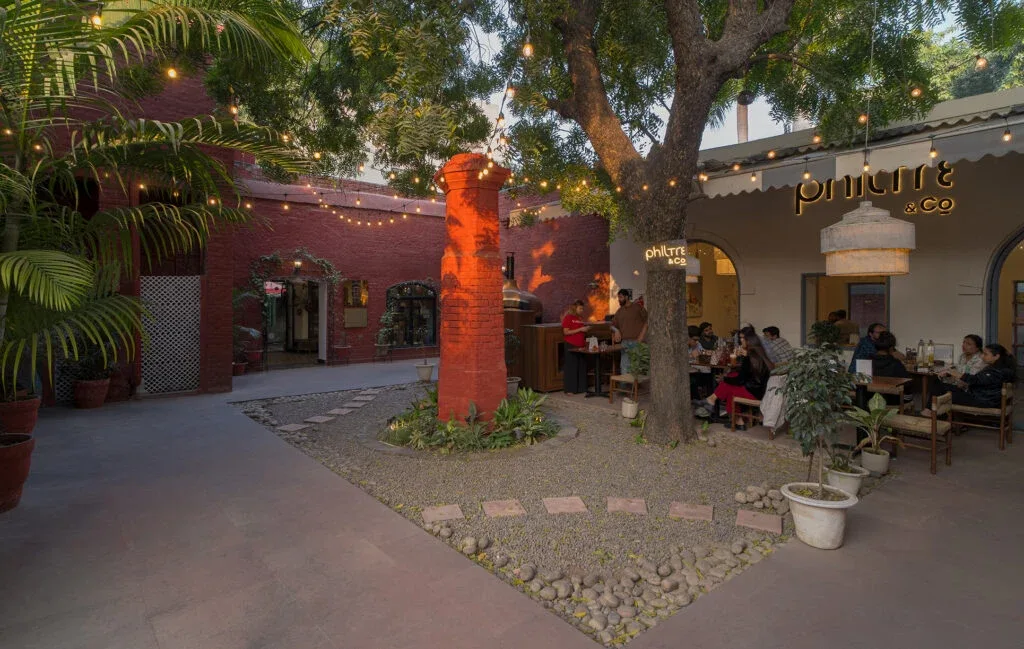 Le Press today↗
Scan the campus signs, reveal letters and discover an AR scene at each stop.
Begin the trail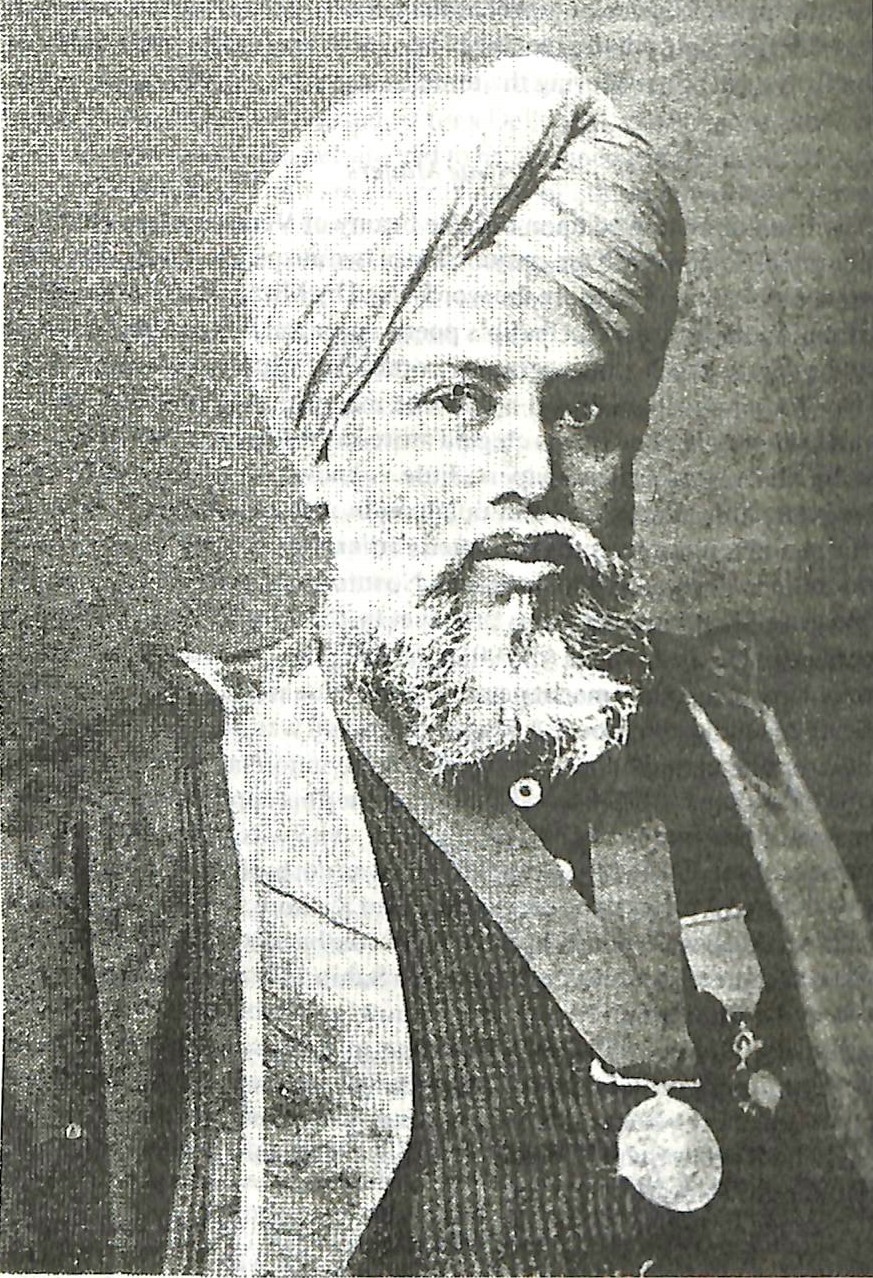 Historical portrait↗
Discover the founder, his publishing inheritance and its new life at Le Press.
Discover the story8 ways into the museum
BEGIN HERE / THE MUSEUM FILM
Meet Munshi Newal Kishore, enter the working press and follow its inheritance into Le Press today. Begin with the film, then explore its world for yourself.
Opening: supplied dramatised dialogue, not a historical quotation. Welcome, my friend. Literature is the ultimate mirror of our society. We must preserve it for generations to come.
Lucknow, eighteen fifty-eight. The uprising and its violent suppression had left a city wounded. Awadh's royal world had been overturned. Lives and livelihoods were disrupted.
Into this unsettled world stepped a young Munshi Newal Kishore. Through the printing press, he would help renew Lucknow's place as a home of learning.
Rooted in his Hindu faith, his publishing embraced many traditions. Sanskrit learning, Persian scholarship, Urdu literature and sacred texts found a place in his enterprise. Affordable editions brought knowledge to wider circles of readers. In an age when knowledge was power, his achievement was to give India's intellectual inheritance a wider life.
Inside the press, ideas became tangible. A calligrapher shaped a line. A lithographer prepared the stone. Ink met paper beneath the press. Binders gathered the sheets into books. Behind every volume stood skilled hands, and an ambition to preserve, publish and share.
The enterprise grew into the largest Indian-owned publishing house in nineteenth-century South Asia. Its books travelled beyond India, including to the Middle East and Central Asia. Awadh Akhbar added a newspaper's voice to this world of learning. Through languages, literature and belief, the press helped sustain the intellectual awakening of a changing India.
In nineteen seventy, independent India honoured Munshi Newal Kishore with a commemorative postage stamp. His work had begun more than a century earlier. That small portrait recalled an immense legacy: books that preserved traditions, widened access to learning, and carried Lucknow's scholarship far beyond its streets.
The printing business continued through later generations, including Tej Kumar Bhargava. As the digital printing revolution brought mounting pressures, a new chapter became necessary. Rani Nita Dube, née Bhargava, gave the historic campus renewed life as Le Press, bringing culture, enterprise and community back into its spaces.
Adaptive reuse preserves more than walls. It keeps memory in the life of a place. At Le Press, gardens, gathering spaces and new experiences invite Lucknow to reconnect with this remarkable inheritance.
The virtual museum opens another door: encounter Munshiji through his reconstructed presence; explore the machines, the books, and the people behind them.
Come to remember. Come to learn. Come to imagine what knowledge can make possible.
Newal Kishore Press. Established eighteen fifty-eight. Its legacy lives on at Le Press.
Discover the past. Inspire the future.
THE POWER OF THE PRINTED WORD
Long before Gandhi and Nehru led India’s mass political movements, Munshi Newal Kishore was building an Indian institution of knowledge. Founded in Lucknow in 1858, his Press helped turn literary inheritance into a living industry: books to learn from, scriptures to read, and a newspaper through which readers could encounter the wider world.
Hindu and Islamic texts stood within a multilingual publishing programme that also embraced literature, education and medicine. Printing gave sacred learning and cultural memory a wider circulation across communities.
A 2024 National Book Trust account describes the Press as the world’s second-largest publishing house. Heidelberg’s bibliography records approximately 5,000 titles published during its founder’s lifetime. Together, these accounts convey the remarkable scale of the enterprise.
Awadh Akhbar joined news to literary culture. The Press’s enduring achievement was to enlarge the world of reading and public discussion under colonial rule—an intellectual inheritance that reached beyond any one generation.
A press that carried faith to readers, gave ideas a platform and made knowledge an Indian strength: its legacy asks us to imagine the power of ink, rather than the sword.
Editorial tribute, not a historical quotation or a claim that the Press was a uniformly anti-colonial organisation. The global ranking is attributed to the National Book Trust; an independently comparable “largest in Asia” ranking has not been established here.
Read the sources: National Book Trust · 12 November 2024 · Heidelberg / FID4SA bibliography.
THE MATERIAL WORLD OF PRINT
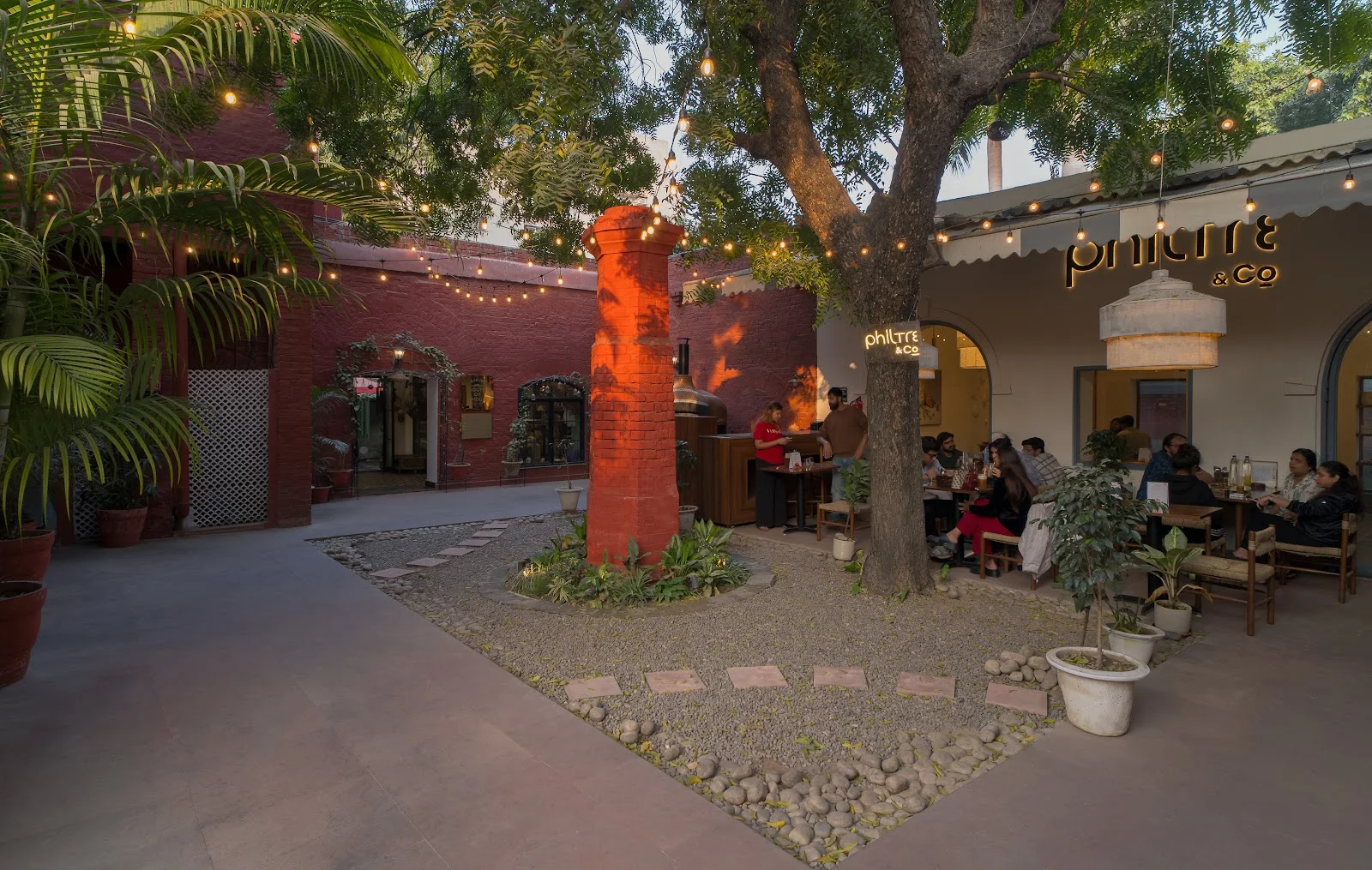
Historic images reveal the shared craft of printers. Le Press carries that spirit into gardens, courtyards and a new cultural life.

YOUR EXPLORER’S PASSPORT
Your visited galleries are remembered on this browser. No registration needed.
Eight themed rooms, one living story. This is a navigation diagram, not a plan of the physical buildings. Choose a room or follow the galleries in order.
THE SCREENING ROOM
Films, places and printed memory.
From the life of print to the life of this place.
Films play only when you choose. Sound, playback and fullscreen are in your control.
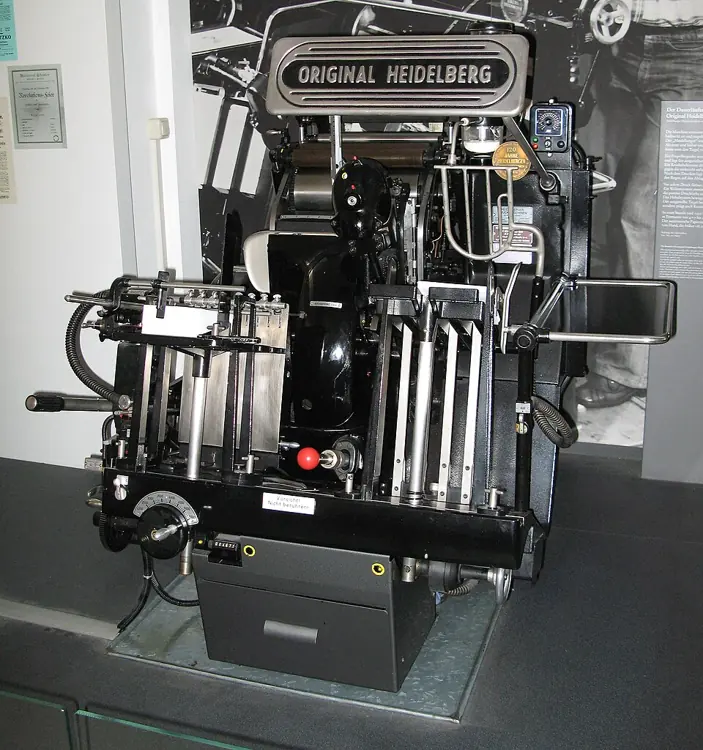
Seventeen exhibits: the presses, stones, pens, inks, type and paper machines behind the books. Open any exhibit to see how it worked, move its parts and check how well it is documented.
Explore all 17 machines and tools in one 3D collection. Turn each object, separate its parts and trace the journey from fibre and ink to a finished book.
Loads on request · drag to turn · pinch to explore
Interpretive 3D reconstructions of printing principles, not measured replicas or a claim that these particular machines survived at Newal Kishore Press. Motion is simplified for learning. Each object includes its historical context and sources below the viewer.
Raised type or a prepared lithographic stone carries the image.
Controlled contact transfers the image onto a sheet.
Printed sheets move on to drying, folding and binding.
The sources say the Newal Kishore Press used this kind of equipment.
Described for lithographic printing in India, and for Lucknow where noted.
The sources record how many machines the press had, not their makers or models. These show what such a machine looked like.
Move the controls to understand a mechanism. Drawings show operating principles, not precise historical models or measured production speeds at Newal Kishore Press. Reference machines are not claimed to have survived from this estate.
THE OPEN READING ROOM
Turn the pages of digitised Newal Kishore Press editions. These short English introductions help you begin; the books retain their original scripts and languages.
LOOK CLOSELY / AN ORIGINAL PRINTED PAGE
Flowers frame the heading. Figures gather between lines of text. This surviving Indra Sabha page brings image, ornament and dialogue into a single composition.
Open the scan and zoom in to examine the details. This is an archival page, not an AI reconstruction. The printing process of this particular copy has not been independently established.
Digitisation: eGangotri / Sarayu Trust, via Internet Archive. Source catalogue identifies Naval Kishore Press and notes missing pages.
Theatre & ornament
Undated · incomplete copy
Examine the floral headpiece and small theatrical figures beside the printed dialogue. This digitised copy is incomplete; its catalogue does not supply an edition date.
Archive record ↗Tales & riddles
1877 · as catalogued
Enter a classic cycle of stories and questions. Read the original scanned edition, and notice how its pages guide a reader through narration and dialogue.
Archive record ↗Music & verse
1889 · as catalogued
Explore a music-related publication from the Press collection. Compare its headings, verse arrangements and page rhythm with the narrative books beside it.
Archive record ↗Storytelling across cultures
1887 · as catalogued
Discover an edition catalogued under this English title. The reader presents the original scanned pages, not a modern English translation.
Archive record ↗Heidelberg’s digitised Press collection ↗ · Urdu books on Rekhta ↗ · FID4SA’s edition bibliography ↗
Explore lithographic illustration in this illustrated study of Ajā’ib al-Makhlooqat, including a Naval Kishore Press 1920 print ↗. Archive readers and images are hosted by their respective collections and may load slowly. External readers load only when you choose a book.
Meet the publisher whose work helped make Lucknow a city of readers.
THE FOUNDER · THE PUBLISHER · THE CONNECTOR
Munshi Newal Kishore founded his publishing house in Lucknow in 1858. Its books brought literature, religion, education and medicine into print, serving readers across languages and scholarly traditions.
Heidelberg University Library estimates that around 5,000 titles appeared during his lifetime. The collection ranges across Hindi, Urdu, Arabic, Persian, Sanskrit and English, including translations of English classics.
The enduring achievement is visible in the books themselves: a meeting of the author’s voice, the calligrapher’s hand, the editor’s judgement and the printer’s skill.
Read Heidelberg’s collection history ↗
Continue the founder’s story ↗Four ways to explore its continuing influence. These are themes, not measured shares of publishing output.
Compare the strengths of two printing methods. Neither tells the whole story alone.
Explore an interpretive simulation of lithography in six stages. Drag on the stone to do each stage by hand, or press the button and watch it done. The transfer reverses the design on the stone; printing reverses it again. Samples are educational compositions, not facsimiles of original editions.
Calligraphers wrote on yellow transfer paper with greasy ink, so they could write naturally from right to left. Pressed face down on the stone, the script transferred in mirror image. Prepared non-image areas retain water and resist oily ink, while the image areas accept ink. A flat surface can therefore print without a carved relief.
Lithography reached India in the 1820s and let calligraphers write in Nastaliq, Devanagari and Modi directly onto the printing surface.
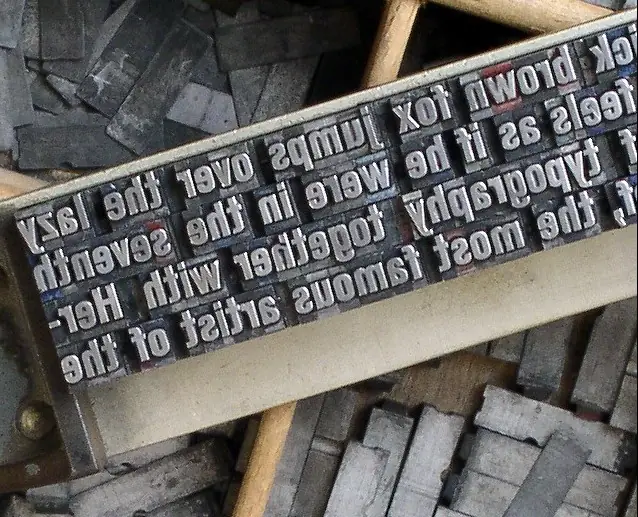
The European tradition looked different. Lead sorts sat in a case, were set in a composing stick and locked into a forme, then inked on a cast-iron hand press. Each script required its own type designs. Lithography offered another way to reproduce the fluid forms of calligraphy.
At its height the Hazratganj works employed hundreds of calligraphers, scholars, stone-grinders and pressmen. Select a room, or follow a book from manuscript to binding.
Schematic plan drawn for this museum. It shows the order of work, not the surveyed layout.
Three ways of printing met in the 19th century: carved woodblocks, movable type and flat chemical printing from stone. Choose an era, or step through nine milestones from 868 to 1858.
A selection of works associated with the publishing house. Decorative previews are interpretations; source links lead to further reading. Search by title, author or subject, then open a folio.
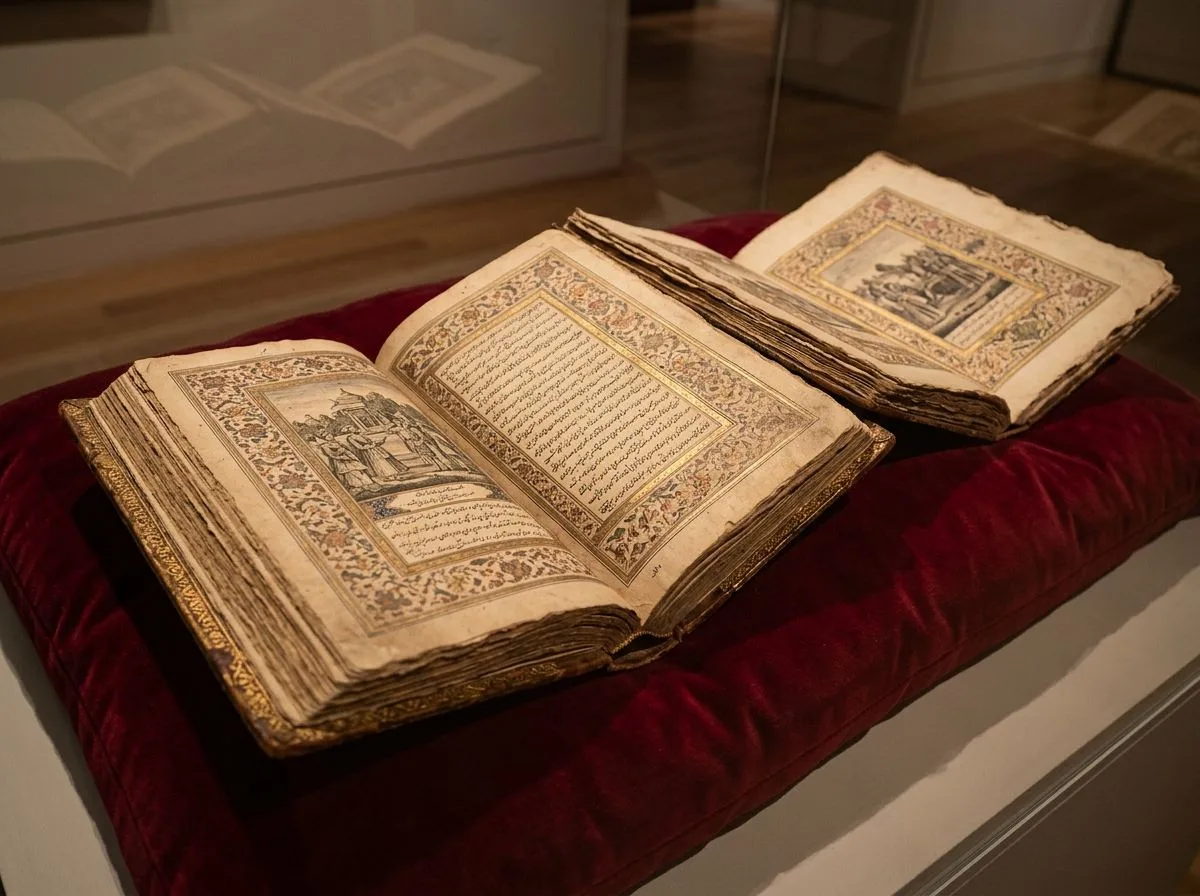
A lithographed page can preserve the intimacy of a manuscript: a frame around the text, notes beside a passage and a calligrapher’s changing rhythm. Examine a digitised original before treating an illustrative folio as evidence of a particular edition.
The newspaper brought current affairs into the publishing house’s wider world of literature and learning. Explore the breadth of its book catalogue alongside the story of its editors.
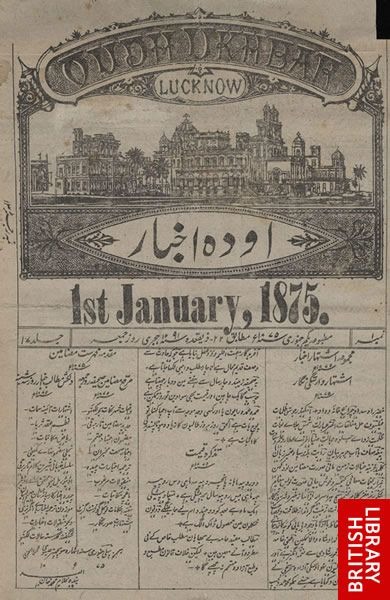
THE NEWSPAPER · 1 JANUARY 1875
Modern historical introduction—not a translation of the pictured articles.
Published by Munshi Newal Kishore’s press, Awadh Akhbar brought news, public discussion and literature into a shared reading culture. It connected Lucknow’s readers with a wider world of ideas, while giving writers a platform for storytelling.
The original page shown here is dated 1 January 1875. Its ornate masthead combines English lettering, Urdu calligraphy and an architectural panorama.
اودھ اخبار
Awadh Akhbar — “Awadh News”
Hindi: अवध अख़बार · अवध का समाचारपत्र
The English masthead names Lucknow. This surviving page is not identified as the newspaper’s first issue.
The small article text is not reliably legible in the supplied scan. No article translation has been inferred from AI-generated lettering.
A later literary landmark was Ratan Nath Sarshar’s Fasana-e-Azad, serialised in the newspaper in 1878–1880.
Publishing context: Encyclopædia Iranica. Compare the dated newspaper reference. Displayed scan supplied by Le Press; visible British Library mark retained.
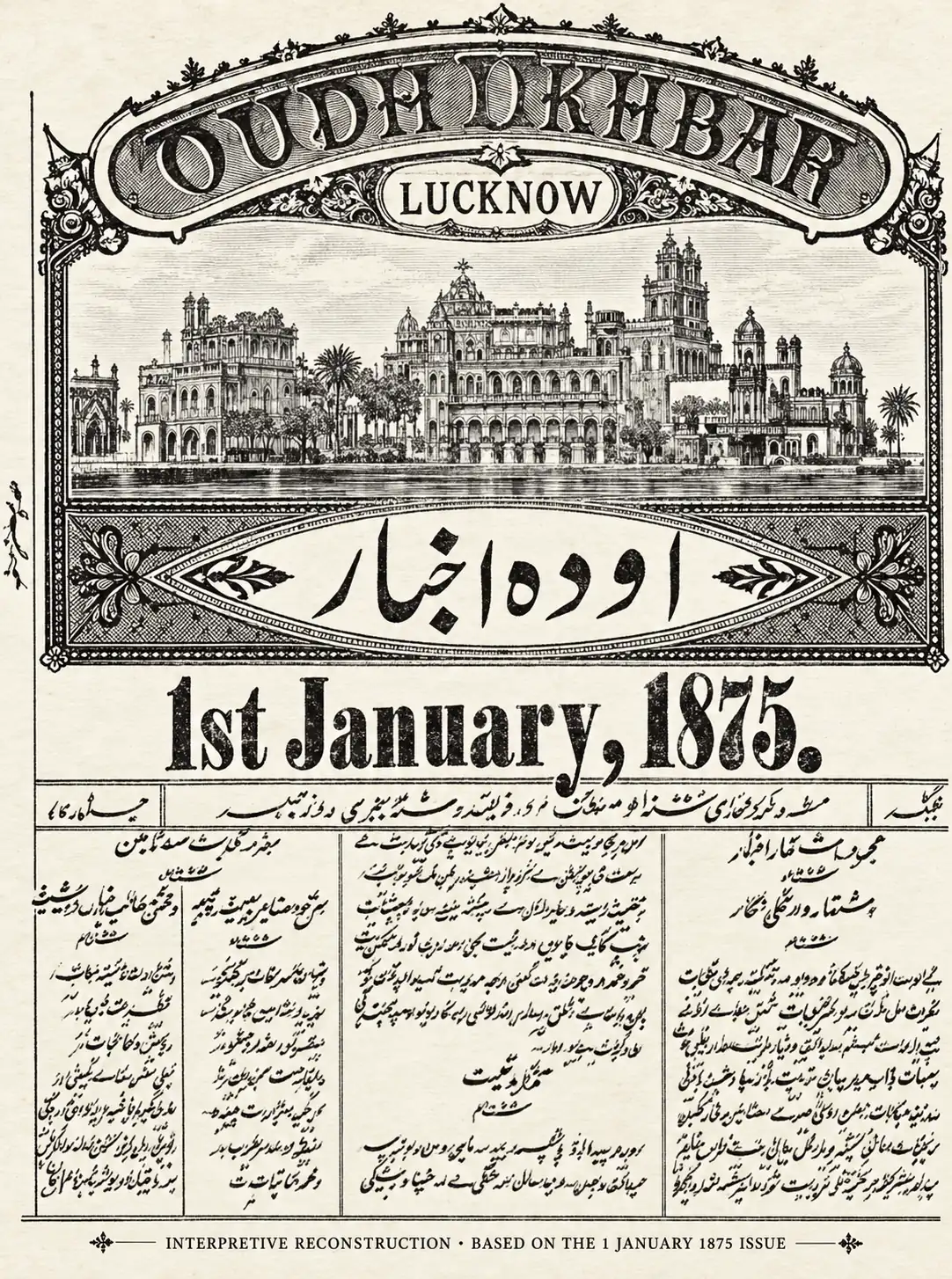
Image note: This AI-assisted display reconstruction interprets the original page’s appearance. Its small lettering is not a verified transcription and should not be quoted as historical news.
A WINDOW INTO THE 1874 CATALOGUE
Select a subject to explore the range of publishing.
1,066 entries in the 1874 commercial catalogue; subject counts reported in Encyclopædia Iranica. This shows catalogue entries, not print runs or sales.
Ten questions drawn from the galleries. Finish them for the Curator's Seal.
Heidelberg University Library · Newal Kishore Press collection · Encyclopædia Iranica · Lithography in India
Collection histories and scholarly references support this interpretation. Historical portraits and reference machinery are distinguished from illustrative reconstructions; the interactive proofs are original educational compositions.
Ulrike Stark (Permanent Black, 2007). The standard study of the press, its titles and the economics of lithography.
Institutional history, succession and output.
The Lucknow Observer on Newal Kishore's arrival, Ghalib's tribute, the 1868 Quran and the paper mill.
Editorial history of the daily, and Frances Pritchett's index of the 46 volumes.
THE MUSEUM COMPANION / EXPANDED EDITION
A 36-page illustrated guide to Munshiji, the family legacy, great publications, the karkhana and the journey from page to screen. Includes 48 clickable QR codes for archival reading, films and virtual exhibits.
5.5 × 8.5 inches · All fonts embedded · PDF, 5.6 MB
Read or download the museum booklet ↗Explore the new chapters online → · External media disclaimer
THE PRINTED WORD · THE LIVING LEGACY
Continue the new chapters of our museum companion online: meet the publisher, open an original book and follow a story from the printed page to the screen.
Munshi Newal Kishore (1836–1895) established his publishing house in Lucknow in 1858. Its books crossed languages and disciplines, bringing literature, religious texts, education and medicine into print. Heidelberg University Library estimates that around 5,000 titles appeared during his lifetime.
The publishing inheritance continued after the founder. According to the family history supplied by Le Press, Shri Tej Kumar Bhargava continued the press business. As the digital printing revolution gathered pace, the printing operation faced mounting losses. This difficult commercial chapter preceded the site’s later revival as Le Press. Today, Le Press gives the historic setting a renewed cultural life. Le Press was established by Rani Nita Dube (née Bhargava), daughter of Shri Tej Kumar Bhargava and inheritor of Shree Tej Kumar Printing Press Private Limited. This family credit is supplied by Le Press.
Explore Heidelberg’s Press collection ↗ · Read the Le Press family story →
Fasana-e-Azad and the extensive Dastan-e-Amir Hamza cycle invite readers into richly imagined narrative worlds. Tulsidas’s Ramayana and Bedil’s poetry reveal the range of the Press’s devotional and literary publishing. The booklet highlights particular editions and identifies their dates and sources.
Awadh Akhbar and the later literary journal Madhuri extend the story into periodical publishing. Read our contemporary Awadh Akbar or explore Kashmir Darshan, a separately identified later family-publishing chapter. Original scans may be in languages other than English; the booklet provides English context.
Premchand’s story appeared in Madhuri in 1924, a journal published by the Naval Kishore Press in Lucknow. Satyajit Ray adapted it for his 1977 film. This is a connection through literary publication and adaptation.
Read Frances W. Pritchett’s story-to-film study ↗ · Watch the full film on Shemaroo Movies ↗
Mirza Hadi Ruswa’s 1899 novel became Muzaffar Ali’s 1981 film. This is a companion journey through Lucknow’s literary culture, rather than a claim that its first edition was published by Newal Kishore Press.
Watch PVR’s restored-film trailer ↗ · Read the University of Iowa’s film context ↗
For the craft behind the printed word, watch Printing Through the Ages. The companion’s 48 QR codes are also clickable in the PDF.
KEEP FOLLOWING YOUR CURIOSITY
Online exploration is free. Mobile AR depends on your device and uses manual placement.
← Back to Le PressAbout this content: archival material, modern interpretation and digital reconstructions have different evidential status. Read our reconstruction and accuracy notice and media-rights guidance.